Empowering Change: Fearless Female Climate Activists Combating Littering and Championing Environment
- infogirlupconverge
- Aug 12, 2023
- 3 min read

In a world facing the dual challenges of rampant littering and a looming climate crisis, the remarkable voices of women have emerged as catalysts for change, driving humanity towards a more sustainable and cleaner future. This collaborative article sheds light on the comprehensive analysis of the environmental effects of littering while celebrating the extraordinary contributions of three courageous female climate activists who are leading the charge for positive transformation.
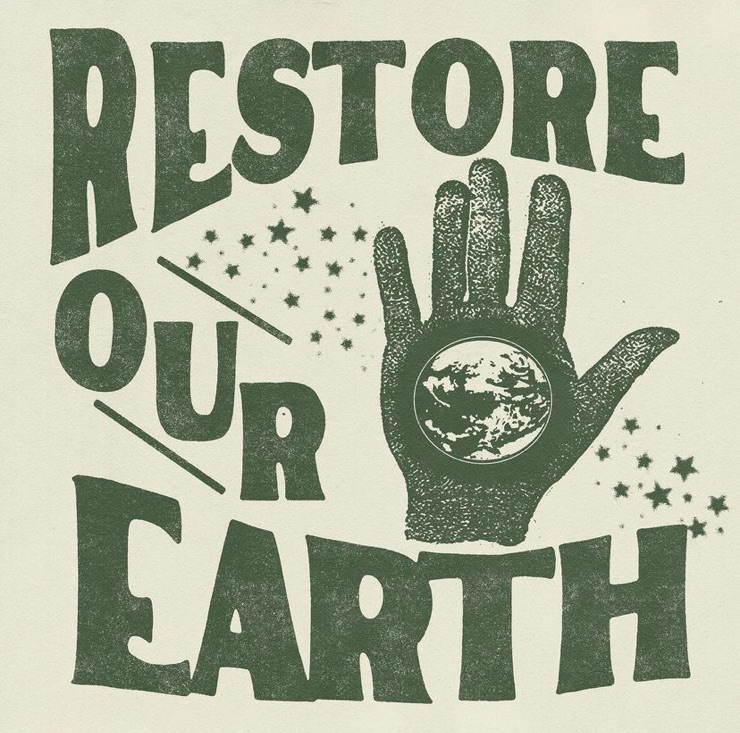
Littering, often dismissed as a minor inconvenience, casts a long shadow over our ecosystems. From soil pollution to destructive habitats, its adverse effects are extensive and complex. The careless disposal of trash in public areas disrupts the delicate balance of our environment, affecting soil fertility, water quality, air purity, and even psychological well-being.
As trash accumulates and decomposes, it releases harmful chemicals and microplastics into the soil. These tiny plastic particles gradually infiltrate the earth, leading to decreased biodiversity and disrupted natural cycles. The result is diminished plant growth and a potential threat to human health as microplastics find their way into the food chain.
The contribution of littering to water pollution is one of the most concerning effects. Litter is washed into storm drains and bodies of water like rivers and oceans by rainwater. Marine life frequently confuses plastic garbage for food, which can cause entanglement and ingestion that can result in harm or death. Furthermore, the poisons in litter can contaminate water sources, harming aquatic ecosystems and endangering human health when ingested.
In some places, burning trash is a normal practice, yet doing so emits dangerous chemicals into the atmosphere. This includes harmful gases from plastics, which can cause respiratory problems in both people and animals and contribute to air pollution. Furthermore, decaying organic litter releases methane, a potent greenhouse gas, intensifying the impact of climate change.
Litter poses a direct threat to natural habitats and ecosystems, affecting wildlife and plant life alike. Animals can become trapped or injured by waste objects, disrupting their access to food and shelter. Invasive species introduced through litter further disrupt ecological balance. Additionally, discarded cigarette butts and combustible trash heighten the risk of forest fires, devastating vast natural landscapes and exacerbating greenhouse gas emissions.
Communities bear a heavy financial burden due to littering, diverting resources away from essential services towards cleaning and waste management. Moreover, litter-filled environments can trigger psychological distress, diminishing civic pride and hindering the enjoyment of beautiful natural areas.
Amidst the challenges posed by littering and environmental degradation, the world has witnessed the rise of valiant women who refuse to remain silent observers. Valentina Chavez, a guardian of the Amazon rainforest, has mobilized her community and gained global support for preserving both natural biodiversity and Indigenous cultures. Leona Wong, an ocean advocate, has pioneered ocean conservation with innovative technology, inspiring worldwide action to protect marine ecosystems. Moreover, Amina Khan's dedication to renewable energy solutions is reshaping economies and empowering marginalized communities with sustainable energy access.
The shared mission of combatting littering and mitigating climate change finds resonance in the efforts of these visionary women. As Valentina, Leona, and Amina have shown, individual actions can have profound collective impact. By addressing the roots of littering and championing innovative solutions, these activists exemplify the power of unity, compassion, and innovation.
Valentina Chavez, Leona Wong, and Amina Khan symbolize the hope that drives change and inspires generations to come. Just as littering's consequences span ecosystems and generations, the influence of these fearless activists transcends national boundaries. Their legacy reminds us that the fight against littering and environmental degradation requires a global effort, and it is incumbent upon us to carry forward their baton of hope, creating a cleaner, more sustainable world for future generations.


Comments